Starlink and the race for orbit
Internet from space used to be slow and expensive. Thousands of low-flying satellites changed that in six years.
This story is also becoming a short film for YouTube. Music only, sources on screen.
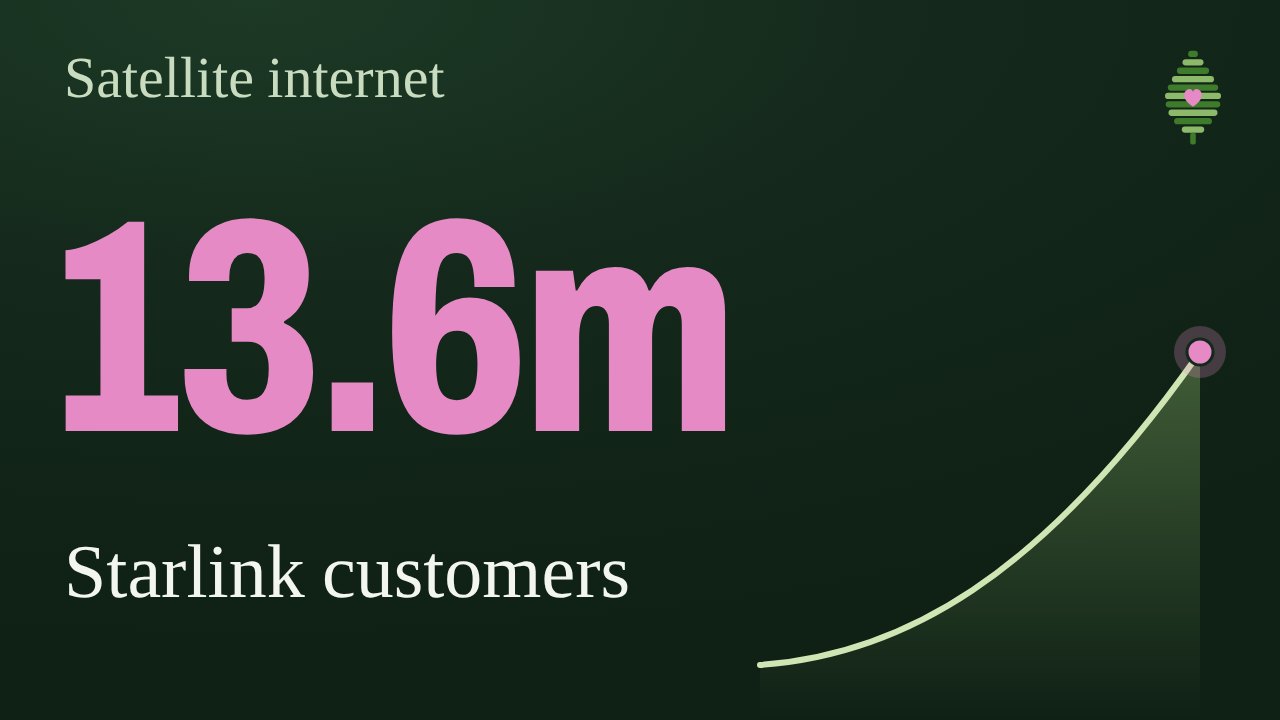
SpaceX launched its first 60 Starlink satellites in May 2019. By October 2026 it had about 11,100 in orbit and 13.6 million subscribers in 174 countries and markets.
The trick is altitude: a few hundred kilometres up instead of 36,000, close enough for video calls. Amazon and others are racing to catch up, and the sky is filling with satellites faster than ever.
Tap any underlined term for a plain-English explanation.
The story in one chart
Drag to slide, zoom, click any moment.- Milestone
- Turning point
- Setback
- Drag to slide, scroll the strip to zoom, click a marker
How it works
For decades, internet from space meant a dish pointed at a satellite 36,000 km up: slow, laggy and expensive. Low-Earth-orbit constellations changed that by flying thousands of small satellites just a few hundred kilometres up, close enough for video calls and gaming.
SpaceX’s Starlink dominates. Its subscriber base roughly doubled in 2025, and it now operates most of the active satellites in orbit.
The turning points
All 13 moments on the full timeline →- 01Oct 1957
Sputnik
The Soviet Union launches the first artificial satellite. Its radio beeps can be heard around the world.
- 02May 2019
Starlink’s first 60
SpaceX launches its first batch of 60 Starlink satellites to low Earth orbit.
- 03Dec 2025
Doubling in a year
Starlink reaches 9 million customers in 155 countries, double the 4.6 million at the end of 2024.
- 04Oct 2026
13.6 million
Starlink ends the third quarter of 2026 with 13.6 million consumer subscribers, about 11,100 satellites in orbit and coverage in 174 countries and markets.
Go deeper
More stories
All 19 stories →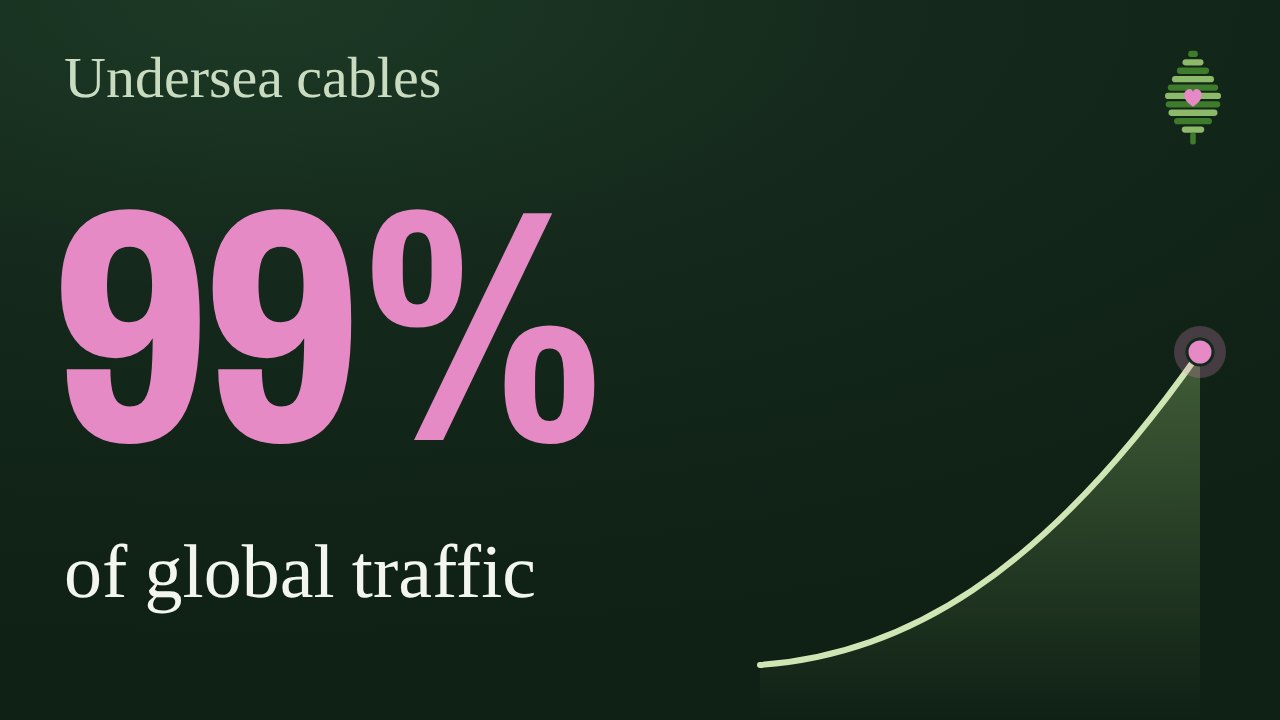 Film coming soonData story 09 · Internet and connectivityThe internet lives under the seaSatellites get the attention, but almost all the world’s data crosses oceans on cables as thin as a garden hose.
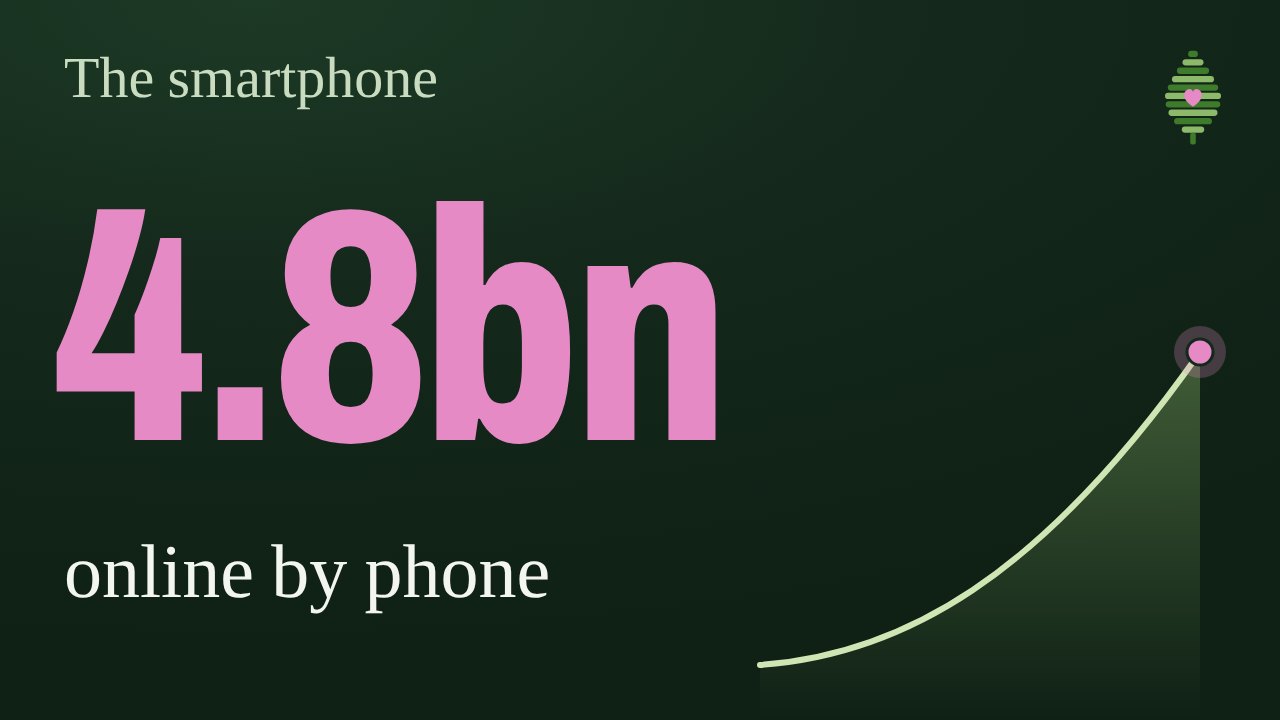 Film coming soonData story 10 · Internet and connectivityThe smartphone: the computer in almost five billion pocketsFrom a one-kilogram phone call in 1973 to the most widely owned computer in history, and why growth is now slowing.
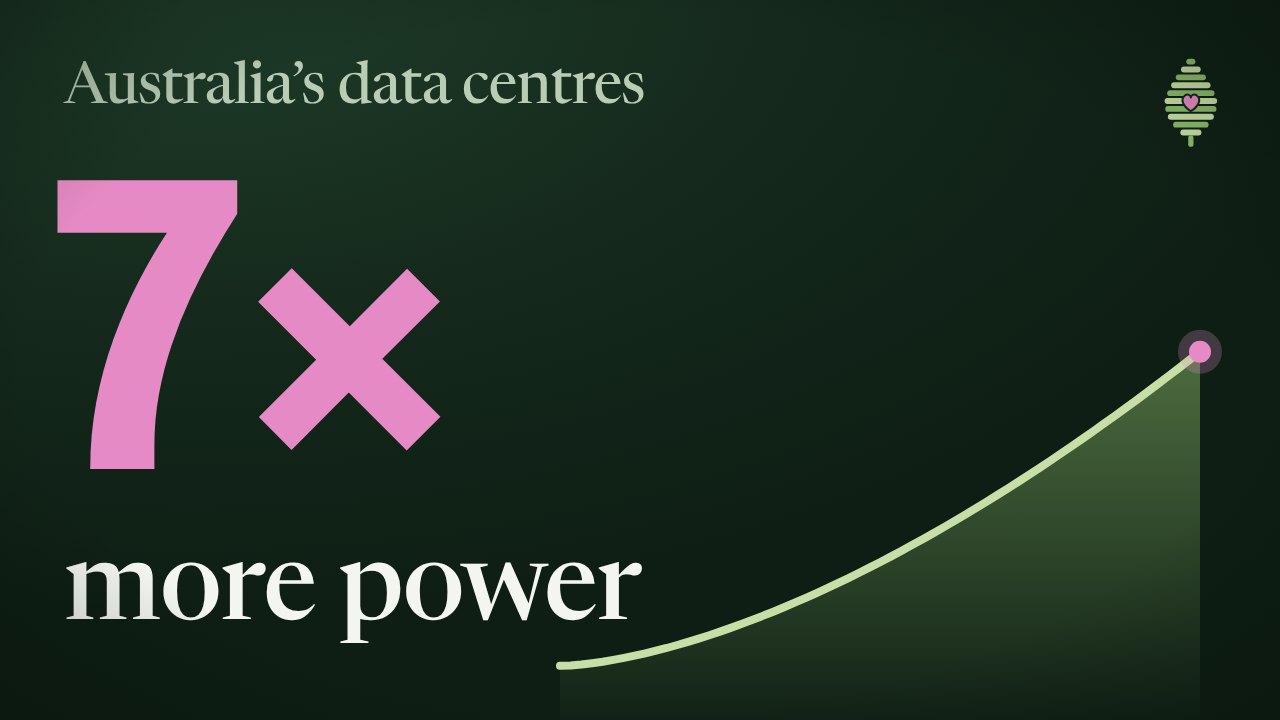 Film · 8:10Data story 01 · Data centres and powerAustralia’s data centre and power boomAEMO now expects data centres to use seven times more electricity within a decade. Here’s where they’re going, who’s queuing to plug in, and who pays.