How 4G made the internet giants rich
Was 4G the moment the internet companies turned into money machines? Facebook’s mobile ads and Amazon’s profits tell the story.
This story is also becoming a short film for YouTube. Music only, sources on screen.
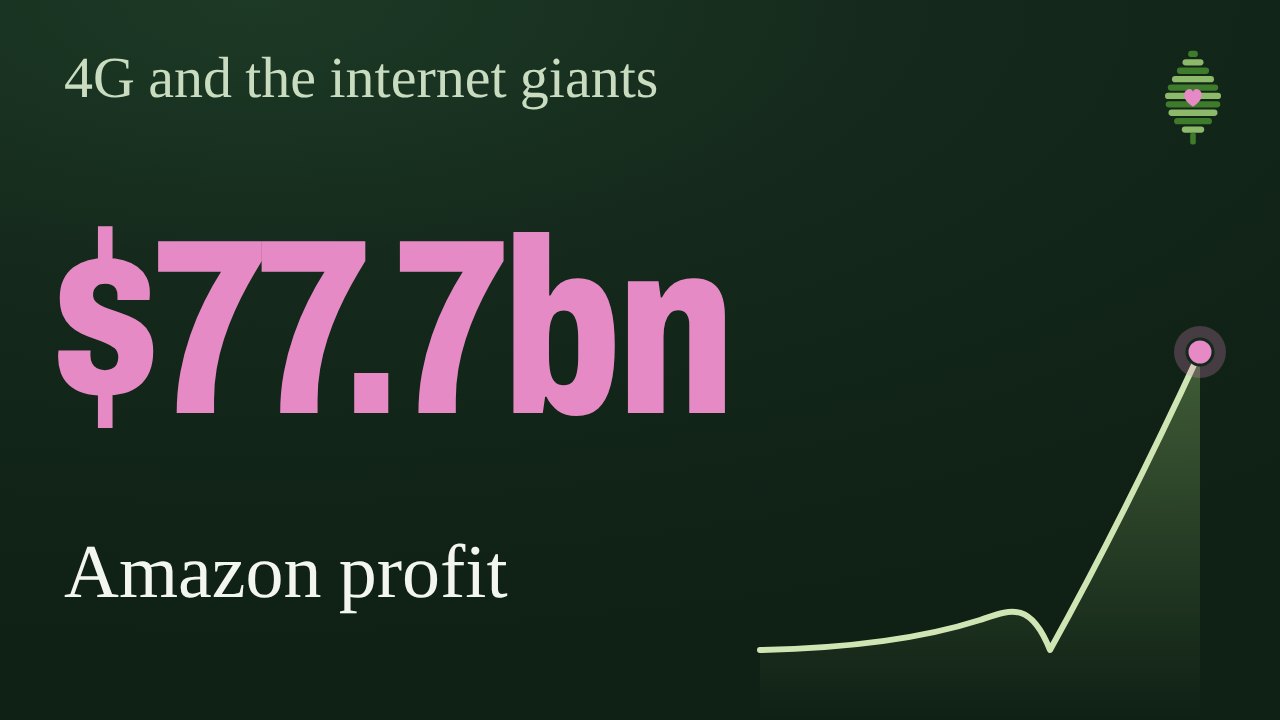
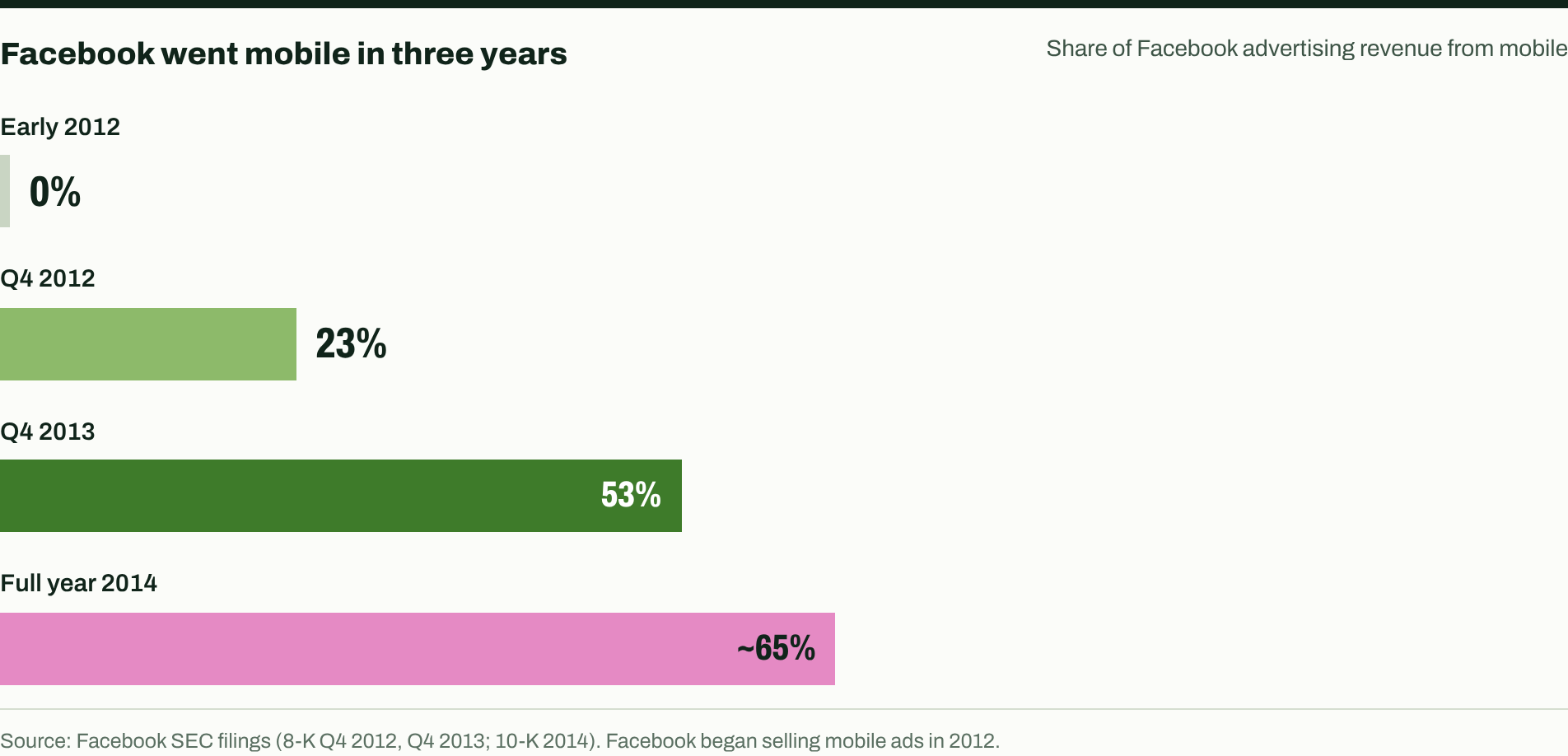
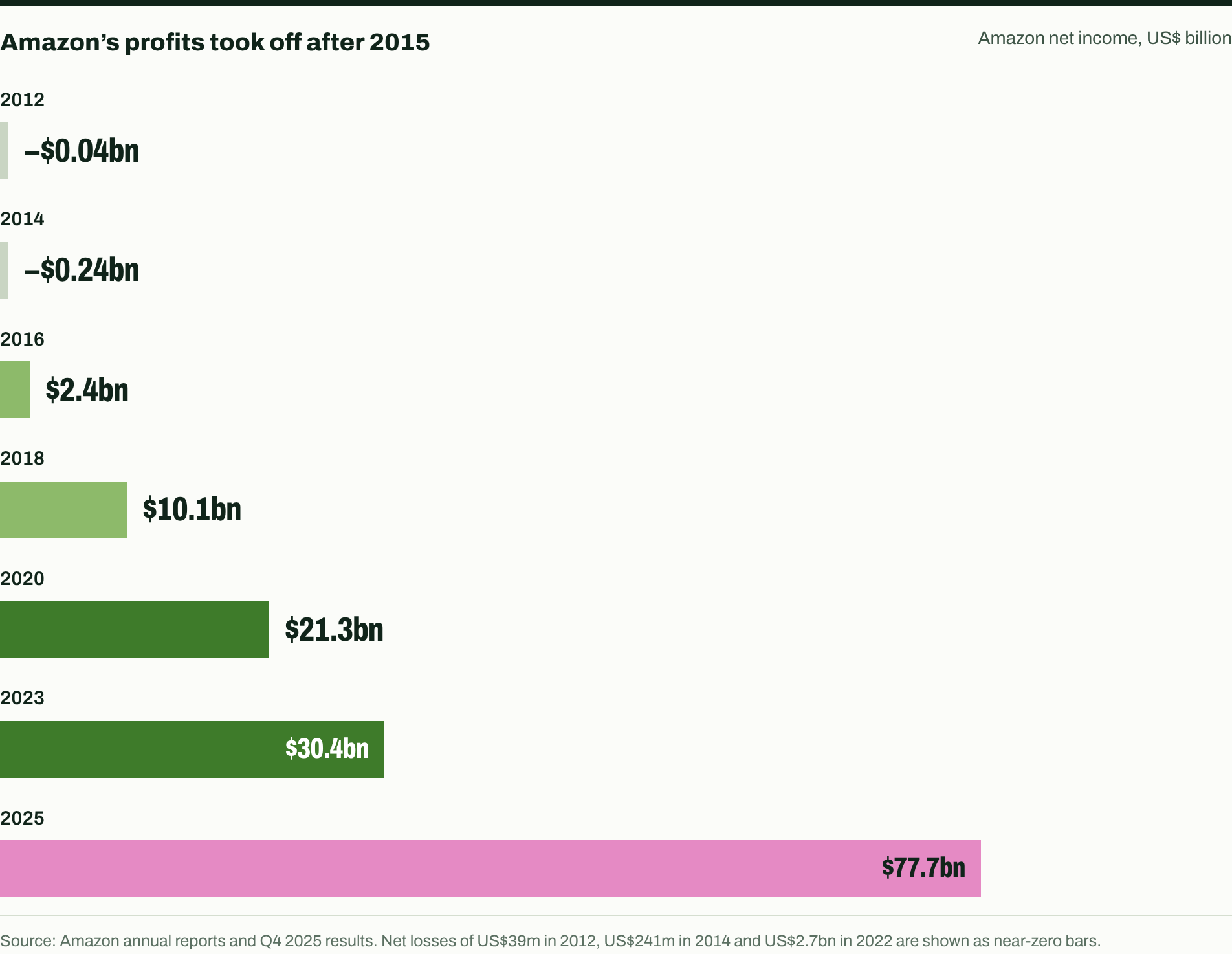
In 2011 Facebook made almost nothing from mobile ads; by 2014, 65% of its ad revenue came from phones. Amazon lost money in 2014; in 2025 it made US$77.7 billion.
4G was not the only cause. The iPhone, the app stores and Amazon’s cloud business mattered just as much. But fast mobile internet in billions of pockets is when the giants’ profits took off.
Tap any underlined term for a plain-English explanation.
The story in one chart
Drag to slide, zoom, click any moment.- Milestone
- Turning point
- Australia
- Drag to slide, scroll the strip to zoom, click a marker
How it works
4G mobile networks rolled out from late 2009, reaching most rich countries between 2010 and 2014. Combined with cheap smartphones, they moved the internet from the desk to the pocket. Did that make the tech giants rich? The honest answer: for some, yes, decisively; for others, it was one tailwind among several.
Facebook: 4G was the turning point
When Facebook listed in May 2012 at US$38 a share, investors worried that users were moving to phones, where it showed no ads at all. Within four months the shares had roughly halved. Facebook had only started selling mobile ads in 2012.
Then the bet paid off. Mobile was 23% of Facebook’s ad revenue by the last quarter of 2012, about 45% across 2013 and about 65% across 2014. The company that was “too desktop” became the most successful mobile advertising business in the world. Instagram, bought in 2012, was mobile-only from day one.
Amazon: the profits came from the cloud
Amazon’s net income barely moved through the early 4G years: a loss in 2012, US$274m in 2013 and another loss in 2014. Profits only took off from 2015, the first year Amazon revealed the figures for AWS, its cloud computing arm, which launched in 2006, before 4G existed.
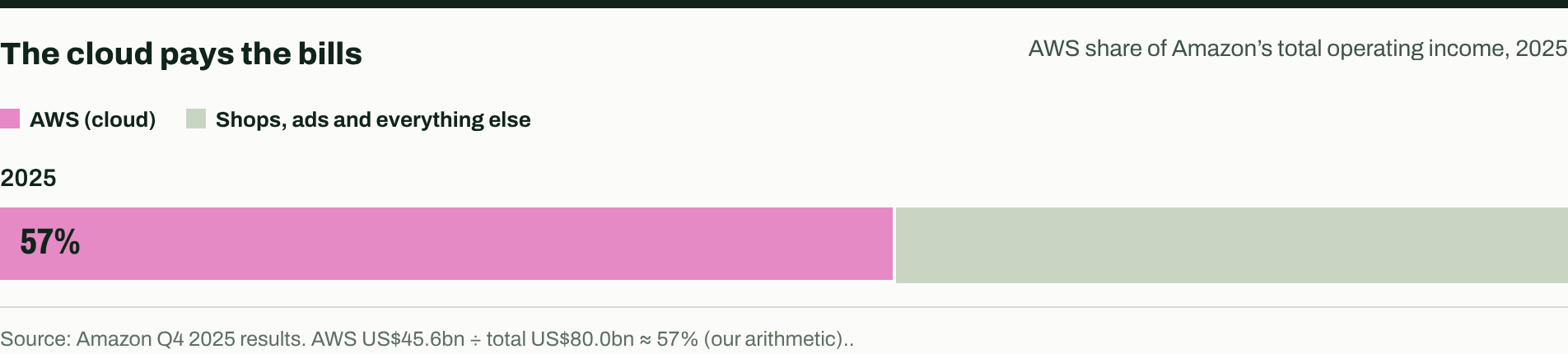
AWS has supplied the bulk of Amazon’s operating profit ever since: about two-thirds in 2015 and more than all of it in 2017, when the shops lost money abroad. In 2025 it earned US$45.6bn of Amazon’s US$80.0bn in operating income. Mobile shopping certainly grew Amazon’s sales, and the apps and services built for phones run largely on clouds like AWS. But the profit engine was the data centre, not the phone network.
The verdict
4G was the tipping point for companies whose product is the phone experience: Facebook and Instagram, Uber (launched 2010), WhatsApp, Snapchat and TikTok. For Amazon, Apple and Google it was an accelerant on businesses already built. And in every case the money flowed to the data centres running the apps, which is the story behind today’s AI build-out.
This is analysis, not investment advice. Share prices also rose with low interest rates through the 2010s, which makes it hard to credit any single cause.
The turning points
All 14 moments on the full timeline →- 012006
AWS launches
Amazon starts renting computing and storage. Few see it as the future profit engine.
- 02May 2012
Facebook’s rocky IPO
Listed at US$38 a share, the stock roughly halves within months on fears it can’t make money on phones.
- 032014
Facebook goes mobile-first
About 65% of Facebook’s ad revenue now comes from mobile. Amazon posts a net loss.
- 04April 2015
Amazon reveals AWS
Amazon reports AWS figures for the first time: a highly profitable business hidden inside a low-margin retailer. The shares re-rate.
- 052025
Record profit
Amazon earns US$77.7bn net income; AWS supplies US$45.6bn of US$80.0bn in operating income. Amazon plans about US$200bn of capital spending in 2026, much of it on AI.
US$77.7bnnet income
Go deeper
More stories
All 19 stories →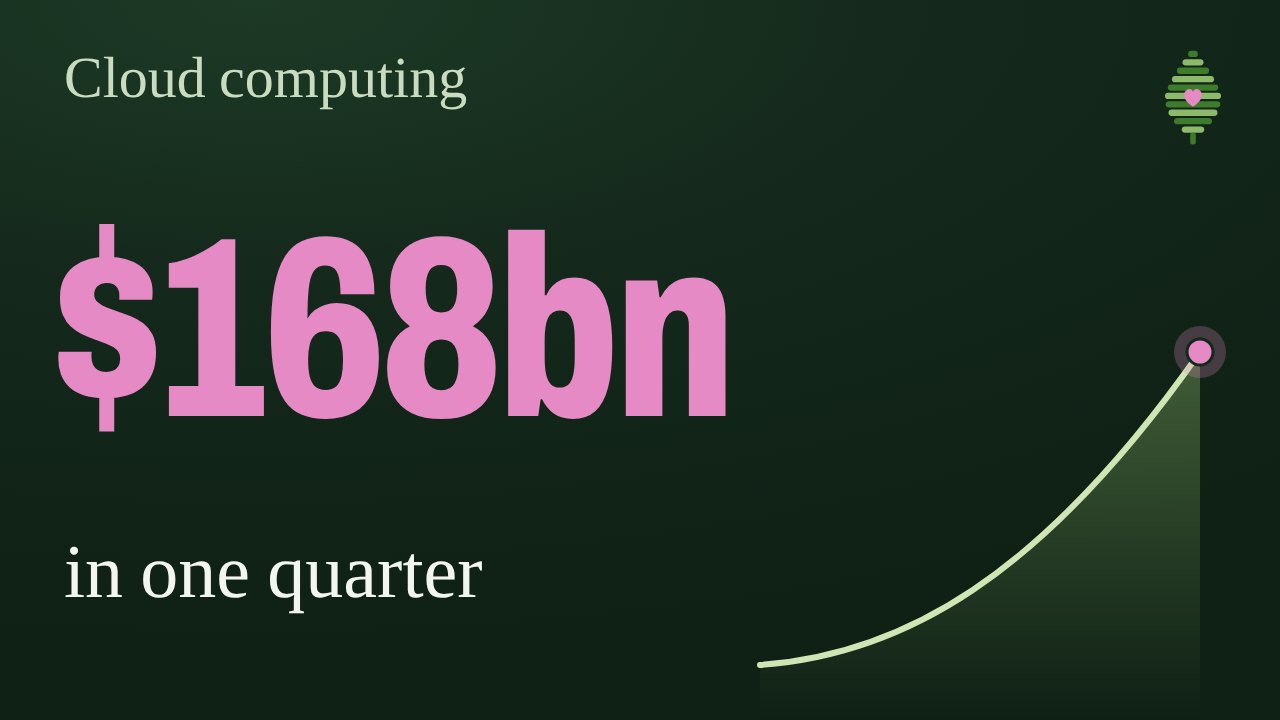 Film coming soonData story 14 · Big Tech and moneyThe cloud now runs everythingHow computing became a utility you rent by the second, three companies came to own it, and AI made it the fastest-growing market in tech.
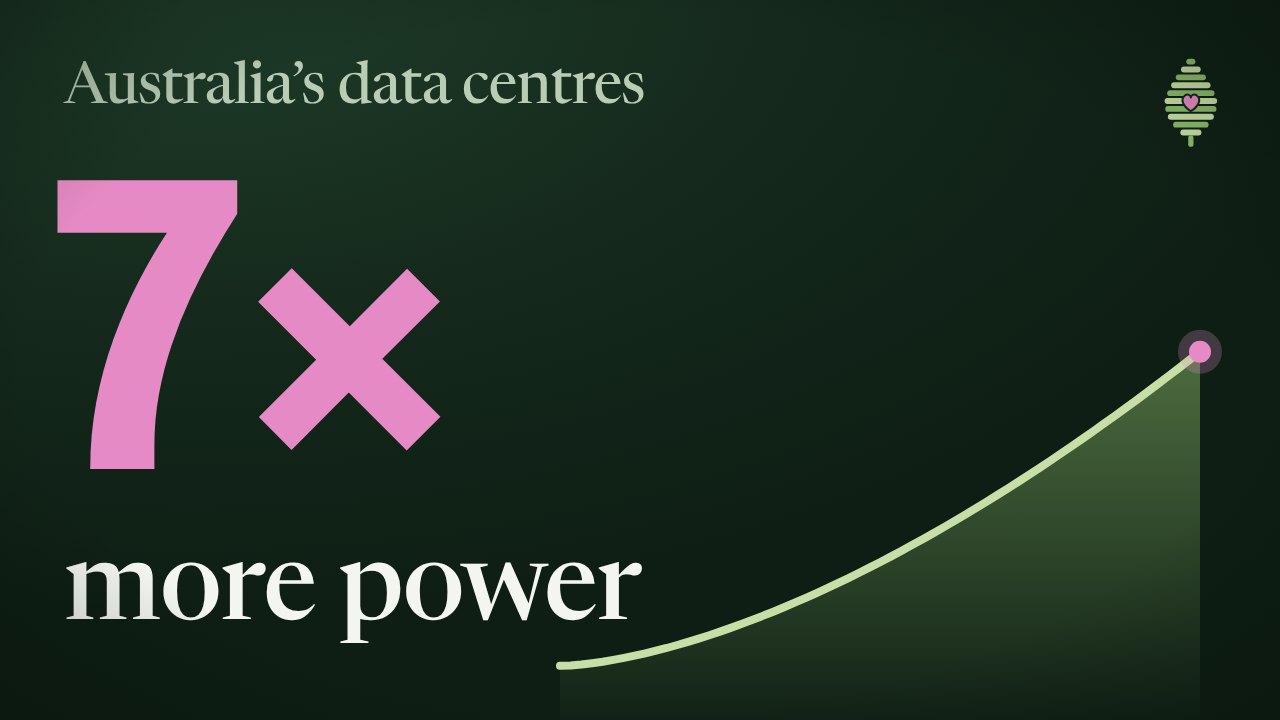 Film · 8:10Data story 01 · Data centres and powerAustralia’s data centre and power boomAEMO now expects data centres to use seven times more electricity within a decade. Here’s where they’re going, who’s queuing to plug in, and who pays.
 Film coming soonData story 02 · AI and computeThe GPU that ate the worldA chip built to draw video games became the engine of AI. How the graphics card beat the CPU, and why Nvidia got there first.