Social media and a generation
How 4G put social media in every teenager’s pocket, what the evidence actually says about harm, and the countries now banning under-16s.
This story is also becoming a short film for YouTube. Music only, sources on screen.
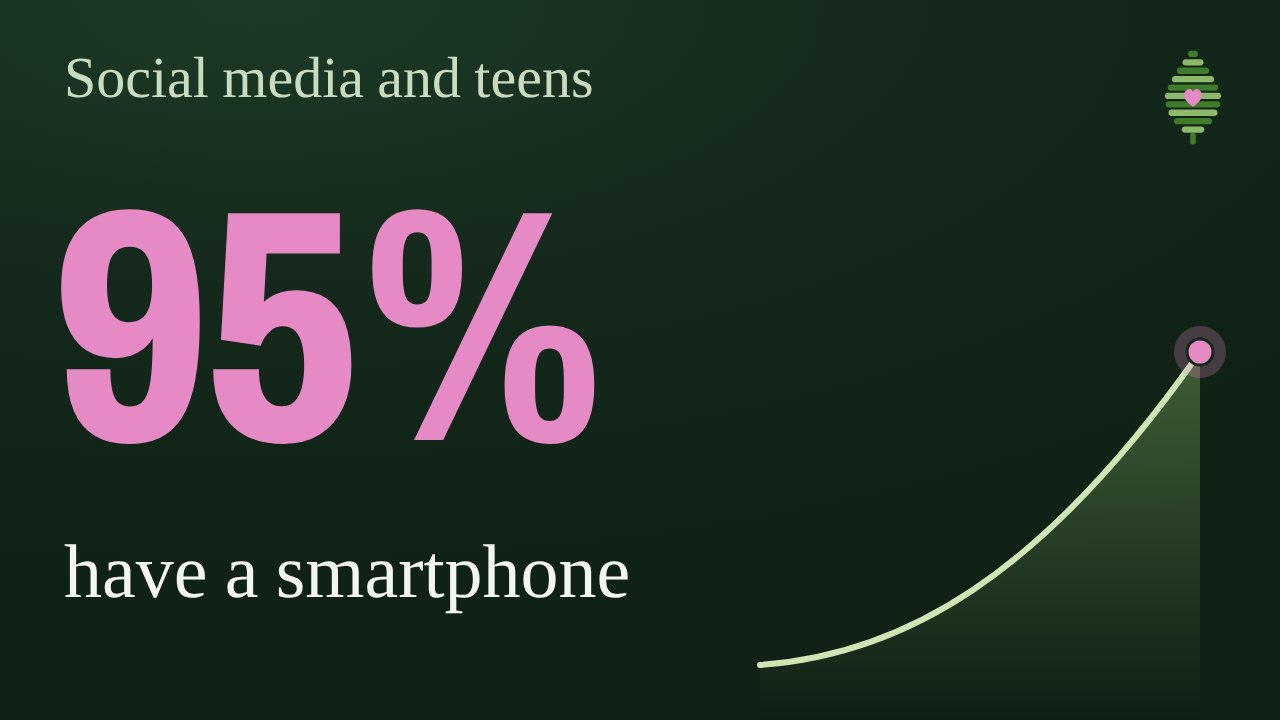
In 2012, about a third of US teens had a smartphone. By 2018 it was 95%. Almost half now say they are online “almost constantly”.
Researchers still argue over how much social media harms young people’s mental health, but governments have stopped waiting. Australia banned under-16s from major platforms in December 2025, and other countries are following.
Tap any underlined term for a plain-English explanation.
The story in one chart
Drag to slide, zoom, click any moment.- Milestone
- Turning point
- Australia
- Drag to slide, scroll the strip to zoom, click a marker
How it works
Social media existed before smartphones, but it lived on a desk. Three things moved it into young people’s pockets within a few years: the iPhone and Android (2007–08), the front-facing camera (2010) and 4G mobile networks (from 2009 overseas, 2011 in Australia), which made photos and video fast enough to share anywhere.
The apps changed too. Likes, infinite scrolling feeds and, from 2016, feeds ranked by algorithm instead of time turned social media from a way to keep up with friends into a stream designed to hold attention.
What the evidence says, and doesn’t
Reported anxiety and depression among teenagers, particularly girls, rose in several countries from the early 2010s, around the time smartphones and social media became near-universal. Researchers agree on that timing. They disagree, sharply, on how much social media caused it.
One side, led by social psychologist Jonathan Haidt (The Anxious Generation, 2024), argues the phone-based childhood is a major cause: it displaced sleep, play and face-to-face time, and exposed children to comparison, bullying and harmful content. Leaked internal research at Instagram in 2021 found that among teen girls who already felt bad about their bodies, one in three said Instagram made them feel worse.
The other side, including psychologists Candice Odgers and Andrew Przybylski, argues the studies mostly show small correlations rather than causes, that results vary across countries, and that other pressures matter too. A 2023 US National Academies review found the evidence did not support the conclusion that social media causes changes in adolescent health at the population level, while still warning of real risks for some young people.
Both sides agree some harms are real for some young people: cyberbullying, sextortion, harmful content and lost sleep. The argument is about how big the effect is across a whole generation, and what policy should do about it.
What young people say
In Pew Research Center’s US surveys, teens have grown more negative: 48% now say social media has a mostly negative effect on people their age, up from 32% in 2022. And 45% say they spend too much time on it. Many also say it helps them feel connected to friends and supported in hard times.
The turning points
All 19 moments on the full timeline →- 01June 2007
The iPhone
A full web browser and touch screen in a phone. Android follows in 2008, and the App Store opens in July 2008.
- 02Dec 2009
The first 4G network
TeliaSonera switches on the world’s first commercial 4G LTE networks in Stockholm and Oslo. Mobile data gets fast enough for photos and video on the go.
- 03Sept 2011
4G reaches Australia
Telstra launches Australia’s first 4G network. Snapchat launches the same year.
- 042016
Mobile overtakes desktop
Mobile devices pass desktops in global web traffic. Instagram switches to an algorithm-ranked feed, as others do.
- 05Sept 2021
The Facebook Files
Leaked internal research shows Meta knew Instagram made body-image issues worse for some teen girls.
- 0610 Dec 2025
The under-16 ban starts
Platforms must take reasonable steps to stop Australians under 16 from having accounts. About 4.7 million accounts are deactivated, removed or restricted in the first weeks.
4.7maccounts - 07Aug 2026
Most kids still on
An eSafety study finds more than eight in ten under-16s are still using social media despite the ban. New Zealand introduces its own under-16 bill the same month.
Go deeper
- Pew Research Center, Teens, Social Media and AI Chatbots 2025
- Pew Research Center, Teens and internet, device access fact sheet
- Pew Research Center, 10 facts about teens and social media (2025)
- Pew Research Center, Teens and Technology 2013
- eSafety Commissioner, Social media age restrictions
- eSafety, platforms restrict access to 4.7 million under-16 accounts
- Al Jazeera, Australia’s under-16 social media ban failing, study shows (Aug 2026)
- NBC News, the Haidt–Odgers debate
- Columbia Journalism Review, social media harm and teens
- Simpson Grierson, NZ Online Safety (Minimum Age) Bill (Aug 2026)
Corrections: [email protected]. See how we check numbers.
More stories
All 19 stories →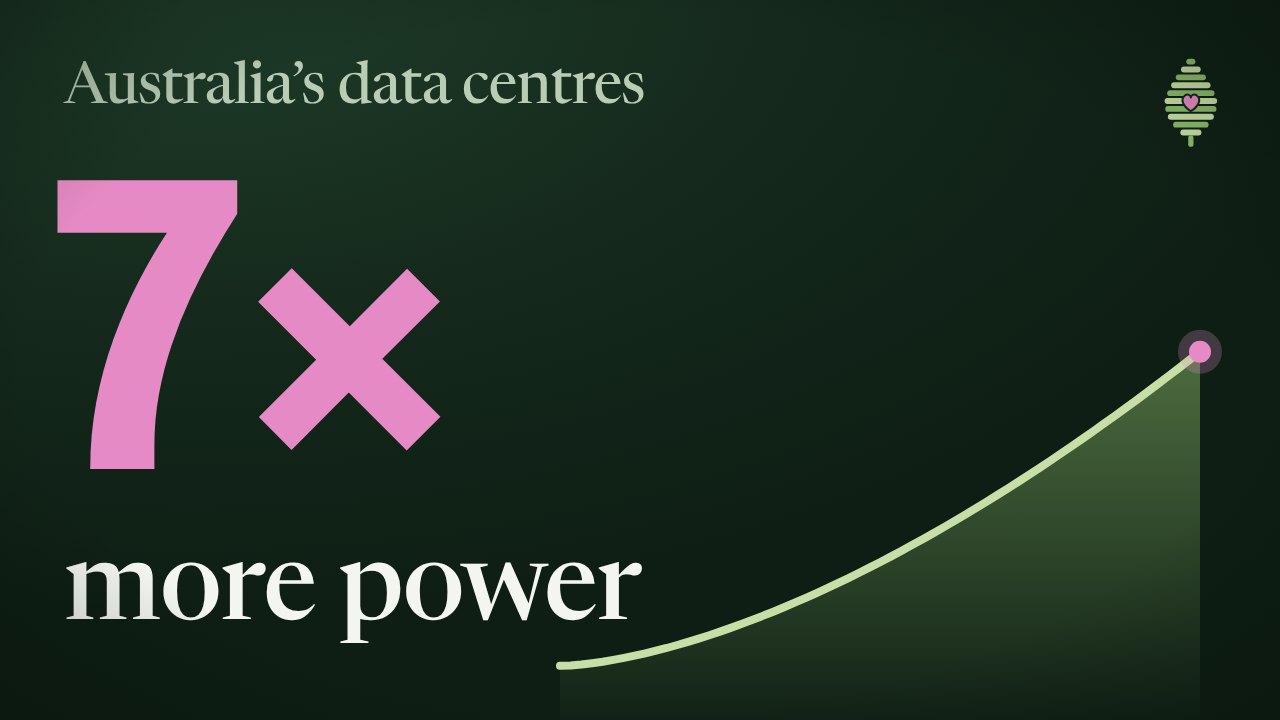 Film · 8:10Data story 01 · Data centres and powerAustralia’s data centre and power boomAEMO now expects data centres to use seven times more electricity within a decade. Here’s where they’re going, who’s queuing to plug in, and who pays.
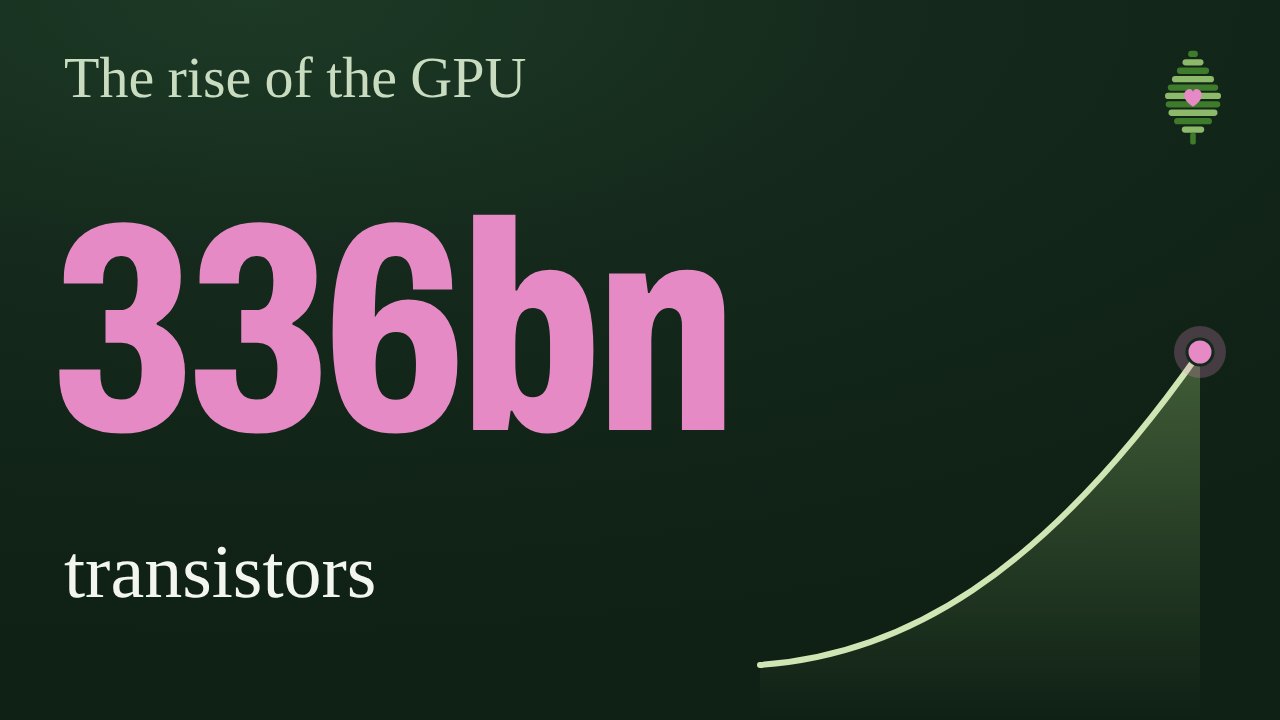 Film coming soonData story 02 · AI and computeThe GPU that ate the worldA chip built to draw video games became the engine of AI. How the graphics card beat the CPU, and why Nvidia got there first.
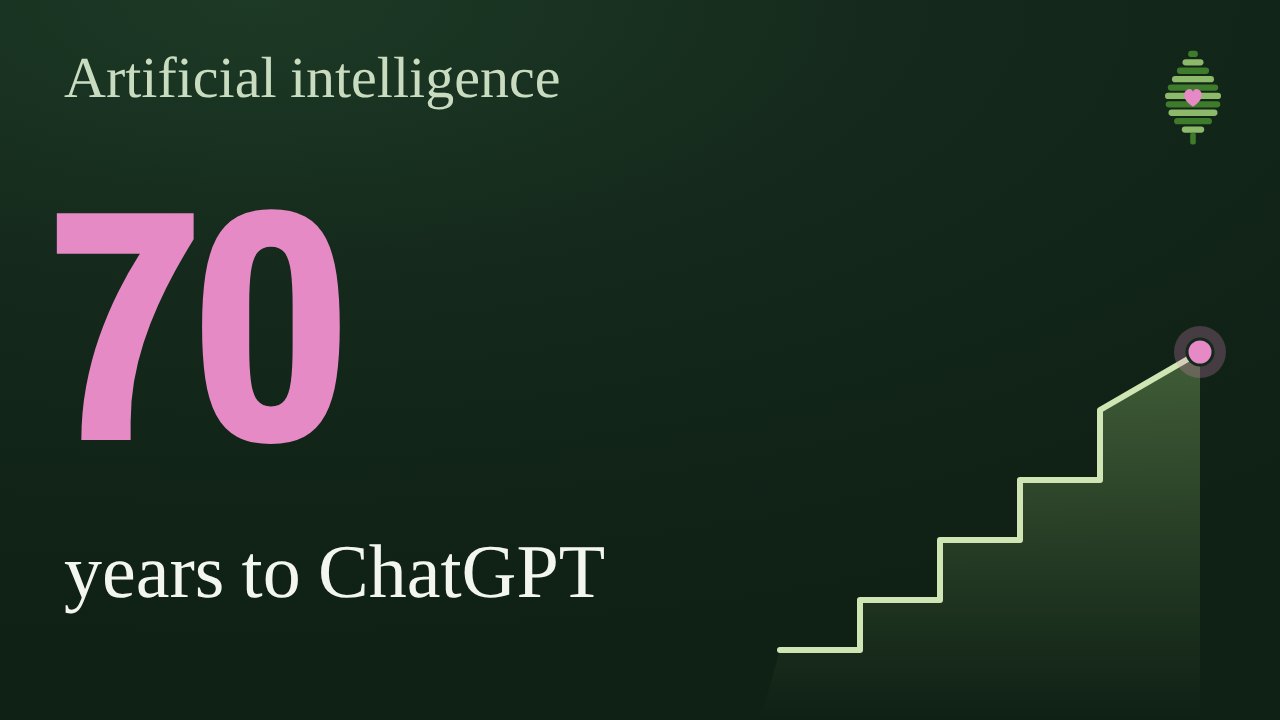 Film coming soonData story 03 · AI and computeSeventy years of AI: two winters and a gold rushArtificial intelligence got its name in 1956. It took two funding winters, a chess match and a pile of gaming chips to get to ChatGPT.